
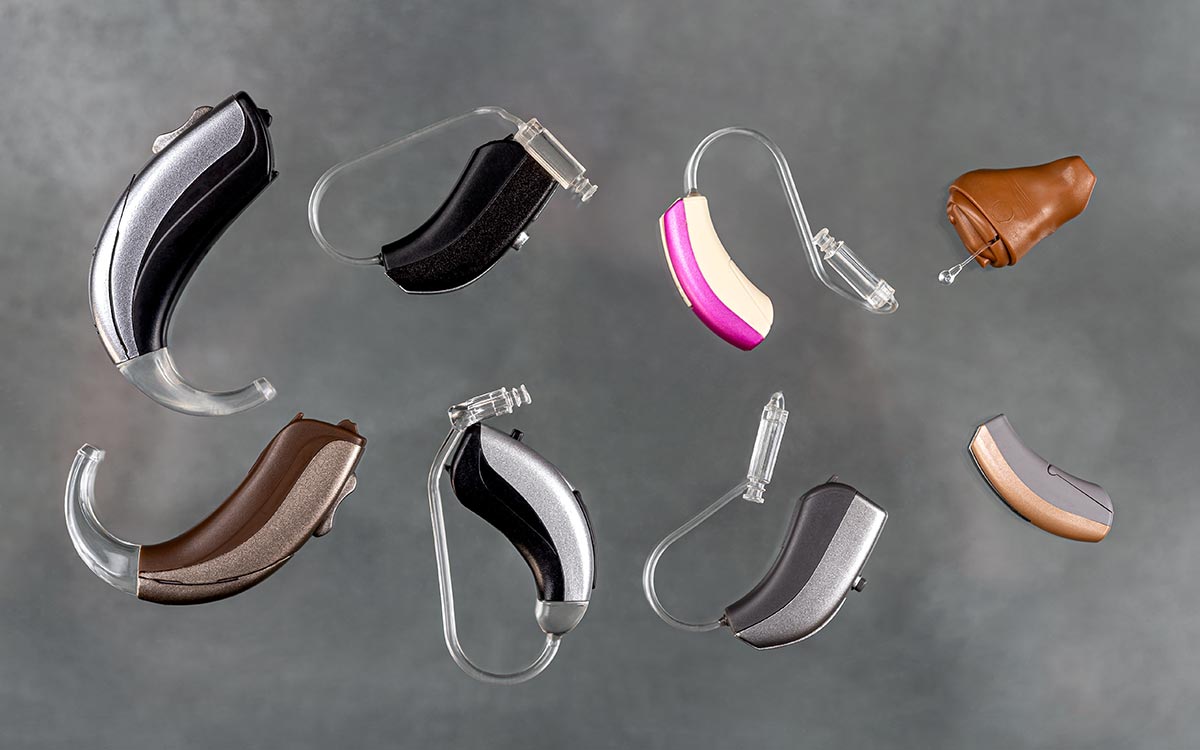
Choosing an instrument can feel overwhelming, especially when today’s units come in so many styles, sizes, and technology levels. Fortunately, there is a perfect hearing solution for every individual, regardless of their lifestyle or the severity of their hearing loss. It’s just a matter of locating it!
Gaining a clear picture of common hearing aid categories will empower you to make a wise decision for your hearing health. In this breakdown, we glance at current styles and the unique characteristics that define them.
ITC (In-the-Canal) Hearing Solutions
What they are:
These hearing aids are placed partially inside the canal, making them visible only slightly from the outside.
Key Selling Points:
- Less apparent than conventional full-size models
- Tailored to the unique shape of your ear
- Appropriate for mild to medium hearing loss
ITC devices offer an excellent balance between visibility and functionality, making them a popular choice for first-time users.
Exploring IIC (Invisible-in-Canal) Options
Core Traits:
IIC hearing aids are the tiniest custom style available. They sit deep inside the ear canal and are virtually invisible when worn.
User Benefits:
- Maximum cosmetic discretion
- Microphone depth assists in mimicking the ear’s natural sound collection
- Featherweight and easy
The small form factor of IIC models renders them perfect for mild hearing loss and anyone who values a stealthy hearing solution.
Understanding In-the-Ear (ITE) Units
What they represent:
An ITE hearing aid fits snugly within the outer ear, available in both full-shell and half-shell configurations. These are custom-fabricated for a precise fit based on your ear’s anatomy.
Why people select them:
- The larger size makes it feasible to include more internal components and longer-lasting batteries
- Great for individuals who find smaller devices hard to manipulate
- Effective for mild to severe hearing loss
The all-in-one nature of the ITE style makes it a favorite for those who dislike behind-the-ear equipment.
Behind-the-Ear (BTE) Hearing Aids
What they represent:
An external hearing aid is placed outside the ear for an optimal fit. Audio travels into the ear canal through an internal tube or custom earmold.
Reasons for Selection:
- Offers a long-lasting and versatile solution for various environments
- Work for almost all degrees of hearing loss
- The spacious housing enables high-tech extras and built-in power cells
The combination of user-friendliness and powerful sound makes BTE aids a top contender for many patients.
The RIC Style Analysis
Design Specs:
RIC hearing aids appear comparable to BTE models, but the speaker (receiver) sits inside the ear canal rather than inside the device behind the ear.
Why they are popular:
- Very natural sound quality
- Small, lightweight, and comfortable
- A versatile solution that works for various degrees of auditory needs
RIC devices are one of today’s most common styles, thanks to their blend of comfort, aesthetics, and performance.
Extended-Wear Device Facts
Usage Profile:
These devices are placed far in the ear canal by an audiology professional and can stay in place for several weeks at a time.
Lifestyle Advantages:
- Perfect for wearers who want to avoid the routine of handling hearing aids daily
- Nearly hidden
- Built to endure the rigors of sleep, exercise, and showering without being removed
Extended-wear devices are ideal for those who want an effortless approach.
Wireless Bluetooth Connectivity
Functionality:
These are modern devices equipped with radio technology to sync with your personal electronics and televisions.
Modern Perks:
- Enjoy direct sound streaming from your phone or TV right into your ears
- Allows for instant, subtle adjustments to your hearing aids through digital software
- Perfectly matched for the needs of an advanced, connected individual
Bluetooth options are available across many styles, including RIC, BTE, and some ITC models.
Surgically Placed Middle-Ear Systems
Procedure Info:
Middle-ear implants are specialized tools that use mechanical vibration to enhance hearing via the middle ear.
Why implants are used:
- Provides an answer for individuals with anatomy that prevents the use of conventional aids
- Solves the problem of ear discomfort caused by regular hearing aids
These devices require a thorough medical review by a hearing, nose, and throat expert.
Selecting Your Ideal Auditory Option
There is no single “ideal” hearing aid; rather, there is an optimal one for you, determined by your medical needs and personal comfort. A hearing professional is your best resource for evaluating these options and finding a match for your daily routine.
Take the lead for your hearing health by booking a professional evaluation today. This simple action is the basis for improved hearing and better connections with those around you.
Sources:
https://www.mayoclinic.org/diseases-conditions/hearing-loss/in-depth/hearing-aids/art-
20044116
https://www.hearinglife.com/hearing-aids/types
https://www.nidcd.nih.gov/health/hearing-aids