
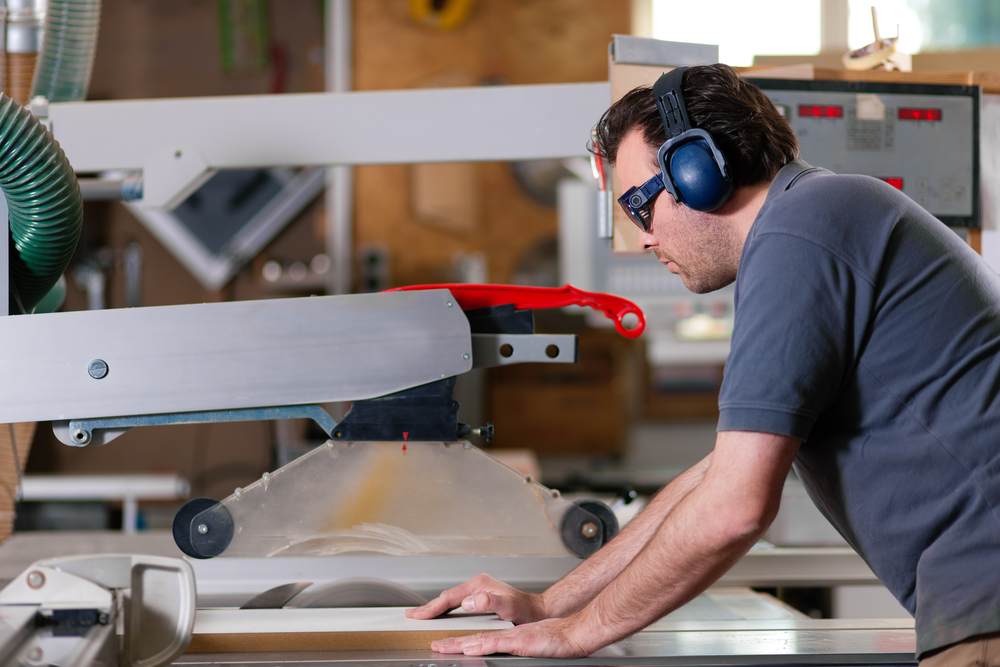
Spending a lengthy time in loud noise can severely impact your hearing, particularly when sound volume surpasses safe limits. Protecting your ears is imperative—not only for warding off hearing loss but also for keeping focus in noisy surroundings. Therefore, what steps should you implement to find the ideal hearing protection level aligned to your needs?
Interpreting noise volume and its ramifications
When considering the effect of noise, the length of exposure is as important as the sound’s intensity. We use decibels—a unit that quantifies sound intensity—as the best metric for grasping noise levels. Sounds at 85 dB and beyond could cause hearing damage, particularly when exposure is lengthy.
Consider that 85 dB matches the intensity of city traffic noise heard while sitting in a car. Though this volume might not appear excessive, spending eight hours in it non-stop can cause hearing impairment. The safe duration of exposure becomes shorter when the sound is more intense:
- Exposure to 90 dB (the sound of a Lawnmower) for more than 4 hours may be damaging.
- You should keep exposure to 100 dB (such as Power tools) to one hour or less.
- Only 15 minutes of exposure to 110 dB (like a Leaf blower) is enough to cause harm.
- Exposure to 120 dB (a Rock concert) will damage your hearing instantly.
- Exposure to 140 dB (Jet engine) results in immediate damage and intense pain.
Identifying hazardous noise levels
If you’re frequently exposed to noise levels of 85 dB or more, wearing hearing protection is crucial. This is primarily true in workplaces like construction sites, manufacturing plants, or any setting where machinery, tools, or gear produce too much noise.
Hearing protection is also valuable outside of the job; activities like attending music shows, operating leaf blowers, or participating in shooting sports can subject you to hazardous sound levels.
Selecting hearing protection: Noise Reduction Ratings
We gauge the performance of hearing protection through its Noise Reduction Rating (NRR). Quantified in dB, this figure shows the degree of sound blockage the protector offers. Higher NRR values deliver greater protection. An instance is a pair of earplugs with a 30 dB NRR, which could drop an 85 dB sound to 55 dB, thereby keeping you safely within the limits of safe exposure.
When making your choice, evaluate the actual noise intensity you are facing and verify that the protection reduces the sound below the 85 dB limit.
The important role of comfort in consistent protection
The NRR is certainly important, but comfort is a similarly significant component in achieving steady, sustained use. When the hearing protection is cumbersome or uncomfortable, you are inclined to remove it, which leaves your hearing vulnerable against dangerous noise.
When the protection is comfortable, it promotes continuous use and reduces the threat associated with removing it occasionally. Consider if, for example, your earmuffs are too heavy or ill-fitting, you could remove them from time to time, leaving your ears exposed to hazardous noise.
What are the varieties of hearing protection?
There are a few different forms of hearing protection, and each has its own benefits and disadvantages:
- Inserted into the ear canal, Foam Earplugs provide superb noise reduction. They are disposable and light, yet some individuals may find them uncomfortable.
- Being reusable and resting just outside the ear canal, Pre-Molded Earplugs are a more sustainable choice and are also easier to insert and remove than foam earplugs.
- Covering the whole ear, Earmuffs are perfect for settings where noise volume changes, as they can be easily removed and replaced. Their drawbacks include potentially feeling warm or heavy over a long period.
The perfect type of protection to choose is dictated by your own preference and the demands of the environment you are in. By way of illustration, a construction worker might choose earmuffs for their simplicity, while someone working in a factory may select earplugs for uninterrupted use.
The necessity of uninterrupted protection
The most effective hearing protection is always the device that you steadily wear. Interrupting the use, even for a short time, may have long-term consequences for your hearing. It is extremely necessary to identify a solution that optimizes between comfort, protection, and convenience for this reason.
Safeguard your hearing for the coming years
Even though noise is a constant part of life, suitable hearing protection enables you to safeguard your hearing while still enjoying the sounds around you.
Reach out to us right now to talk about your potential for noise-related hearing loss and how to best safeguard your hearing health.
